
Protein, often referred to as the building block of life, plays a pivotal role in sustaining our bodily functions, from muscle repair to hormone synthesis. Yet, determining the optimal amount of protein for daily consumption can be as varied as our individual lifestyles. Let’s delve into the intricacies of daily protein requirements, exploring how much is necessary, when more might be beneficial, and who might need to pay closer attention to their intake.
Understanding Your Protein Needs
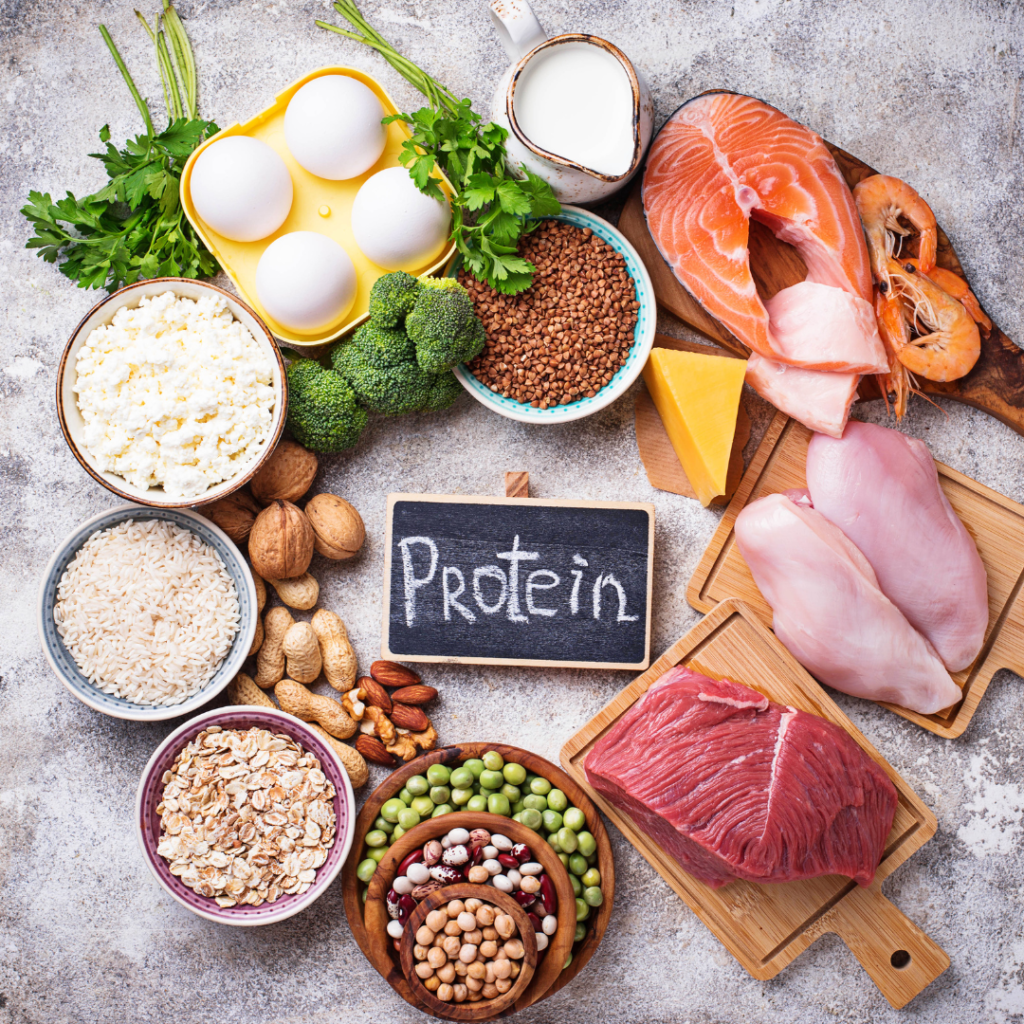
The recommended daily protein intake for adults, as established by the Institute of Medicine (IOM), suggests a range of 10% to 35% of total daily calories. For instance, for a 2,000-calorie diet, this translates to approximately 200 to 700 calories from protein sources. Alternatively, a commonly cited rule suggests consuming 0.8 grams of protein per kilogram of body weight. This means 54 grams for a 68kg female and 65 grams for a 81kg male.
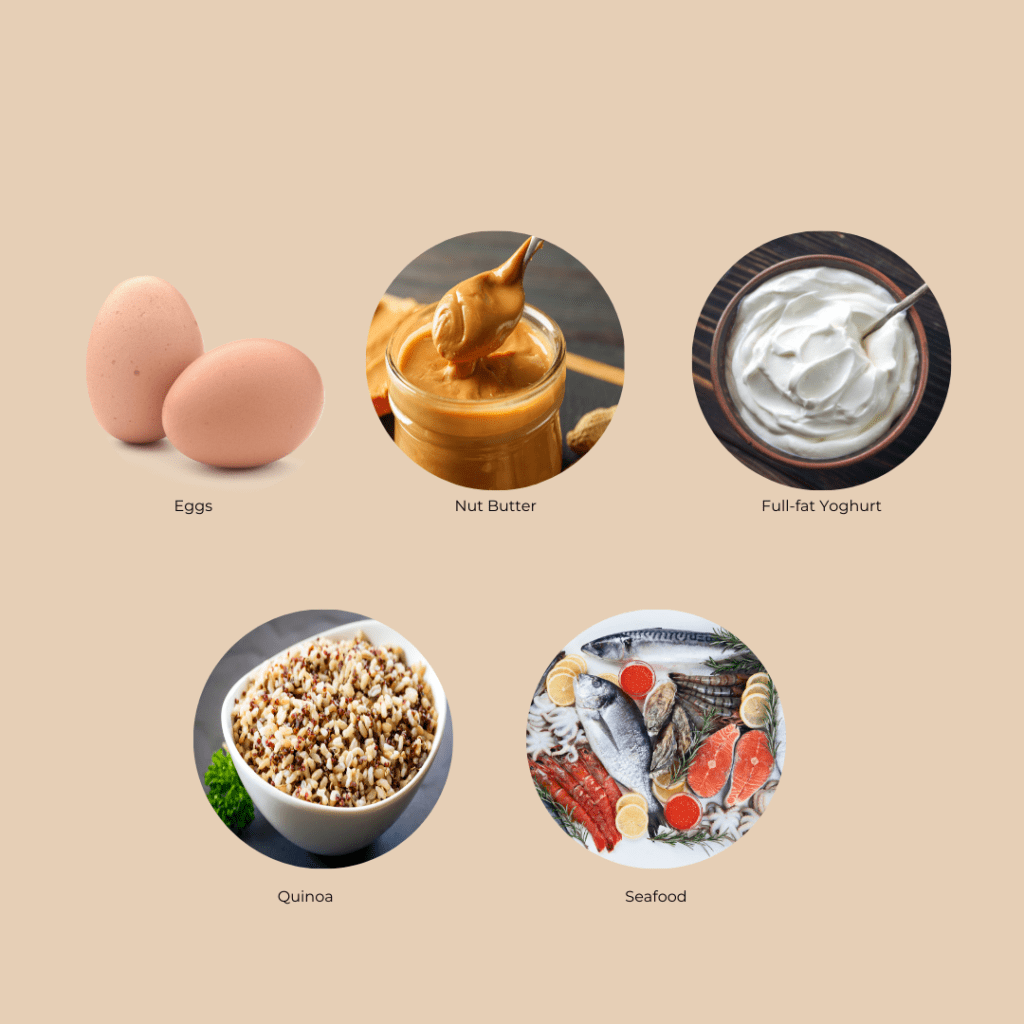
Illustrating this in practical terms, a serving of approximately 10g of protein could include two small eggs, two and a half tablespoons of peanut butter, or a cup of cooked quinoa or full-fat yoghurt. Meat, poultry, and seafood are also prominent protein sources, with one ounce providing around 7g of protein.
However, recent research indicates that higher protein intake, ranging between 1.3 to 1.8 grams per kilogram of body weight daily, may offer optimal health benefits. This range, approximately 88g to 122g for women and 105g to 145g for men, particularly aids in combating age-related muscle loss.
Navigating Protein Consumption
While protein deficiency is uncommon in the UK, it’s essential to consider how protein is distributed throughout the day. Research suggests that evenly spreading protein intake across meals, rather than concentrating it in one or two meals, promotes better muscle maintenance and growth.
For instance, a study published in the Journal of Nutrition in 2020 revealed that young men who evenly distributed protein intake across three meals experienced greater muscle growth compared to those with uneven distribution, even when engaging in strength training exercises.
Striking a Protein Balance
Consuming excess protein can lead to imbalances in nutrient intake, potentially depriving the body of essential carbohydrates and fats. It is recommended to aim for around one-third of daily calories from protein, with a suggested upper limit of approximately 2 grams per kilogram of body weight per day. Contrary to previous concerns, recent research suggests that higher protein intake may even benefit bone health, provided adequate calcium consumption. However, it’s essential to maintain a balanced diet and ensure sufficient intake of other essential nutrients.
Factors Influencing Your Protein Needs
Protein requirements depend on the individuals‘ needs or challenges faced, such as:
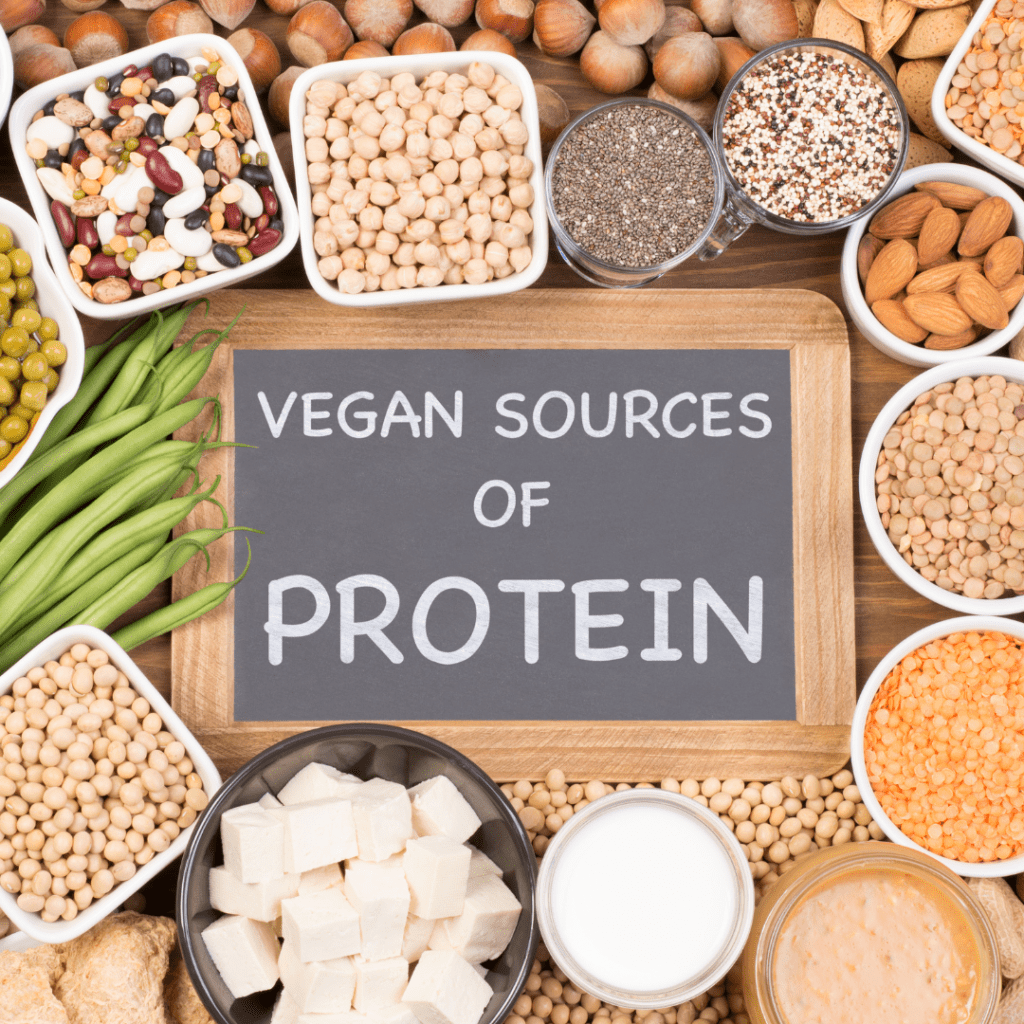
- Vegetarians or Vegans: While plant-based diets can provide adequate protein, attention to protein-rich plant foods is necessary to ensure sufficient intake.
- Physically Active: Active individuals may require higher protein intake to support muscle repair and growth, with post-workout consumption of 15 to 25 grams recommended.
- Ageing Adults: Aging bodies are less efficient at utilising dietary protein for muscle synthesis, necessitating higher intake.
- Pregnant or Breastfeeding: Increased protein needs during pregnancy and lactation support foetal growth and milk production, requiring additional dietary attention.
In a nutshell
Protein is undeniably vital for overall health, yet the optimal amount varies based on individual factors. While most people can meet their protein needs through a balanced diet, awareness of factors influencing requirements is crucial. By understanding your unique needs and making informed dietary choices, you can ensure adequate protein intake to support your health and wellbeing.
***See my eBook ‘Rise & Proteinise” for protein-packed breakfast ideas. ***